



Venous leak: why you can get an erection but not keep it
A cause of ED that shows up when blood drains away too fast, and why medication often fails to fix it.
Read the articleThe future of medicine is here, offering smarter and safer alternatives to major surgery: advanced, image-guided procedures that deliver results equal or superior to traditional surgery, with significantly less pain, fewer risks, and minimal recovery time.


The Approach
Our practice is at the forefront of this evolution, specializing in advanced, image-guided procedures performed through a pinhole rather than an incision.
We are dedicated to providing not only cutting-edge medical care but also a compassionate and personal patient experience. From your first consultation to your final follow-up, you will receive the dedicated care you deserve in a safe and comfortable environment.
We believe in empowering our patients with knowledge. Let us discuss all your options with you so you can make a truly informed decision about your health.
Treatments
Minimally invasive, image-guided alternatives to surgery across men's health, women's health, vascular disease, and pain. Select any treatment to learn more, or call (212) 991-9991 to discuss whether you're a candidate.
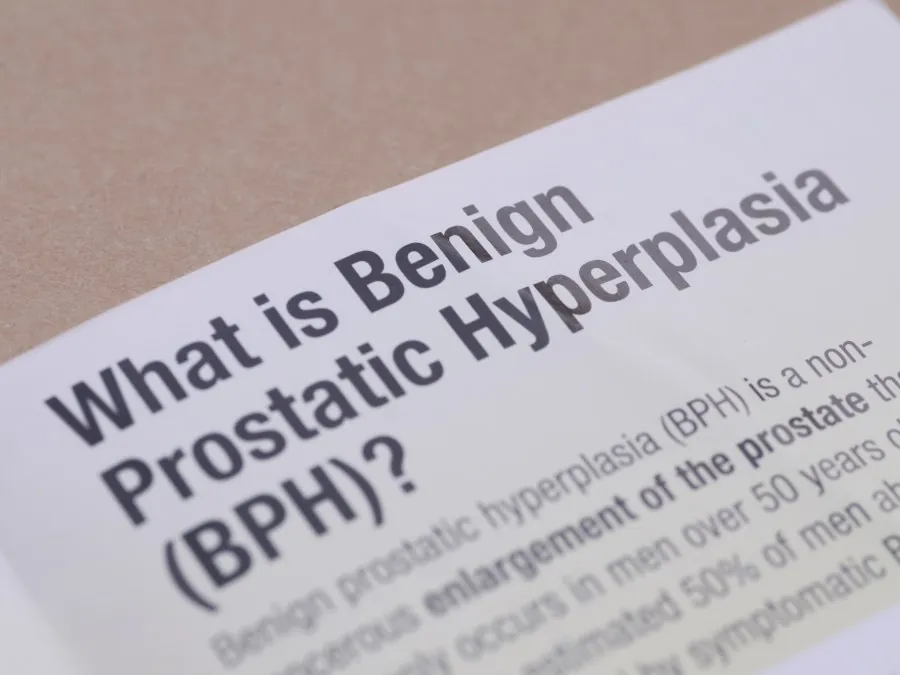 Enlarged prostate (BPH)
 Alternative to hysterectomy

The Physician
When choosing a physician for a specialized procedure, experience is paramount. Dr. Golowa is a nationally recognized leader in image-guided, minimally invasive treatments with over 25 years of experience at the nation's leading medical centers.
His expertise is built on a foundation of elite training at the most prestigious institutions in the world, including NYU School of Medicine, Massachusetts General Hospital and Boston Children's Hospital, affiliates of Harvard Medical School.


Credentials
Double board-certified in Vascular and Interventional Radiology, with affiliations at premier hospitals across the New York and New Jersey metropolitan region.
Our Mission
We empower patients to work with their doctors to make the best individualized decisions. We strive to deliver a personalized, patient-centered experience that can't be replicated in large hospitals or national chains. We do that by respecting your values, preferences, and needs to provide meaningful care.
The Library
Plain-language guides to the conditions we treat and the options available to you.
A cause of ED that shows up when blood drains away too fast, and why medication often fails to fix it.
Read the article
GAE reduces the blood flow driving joint inflammation, and can hold pain at bay for years rather than months.
Read the article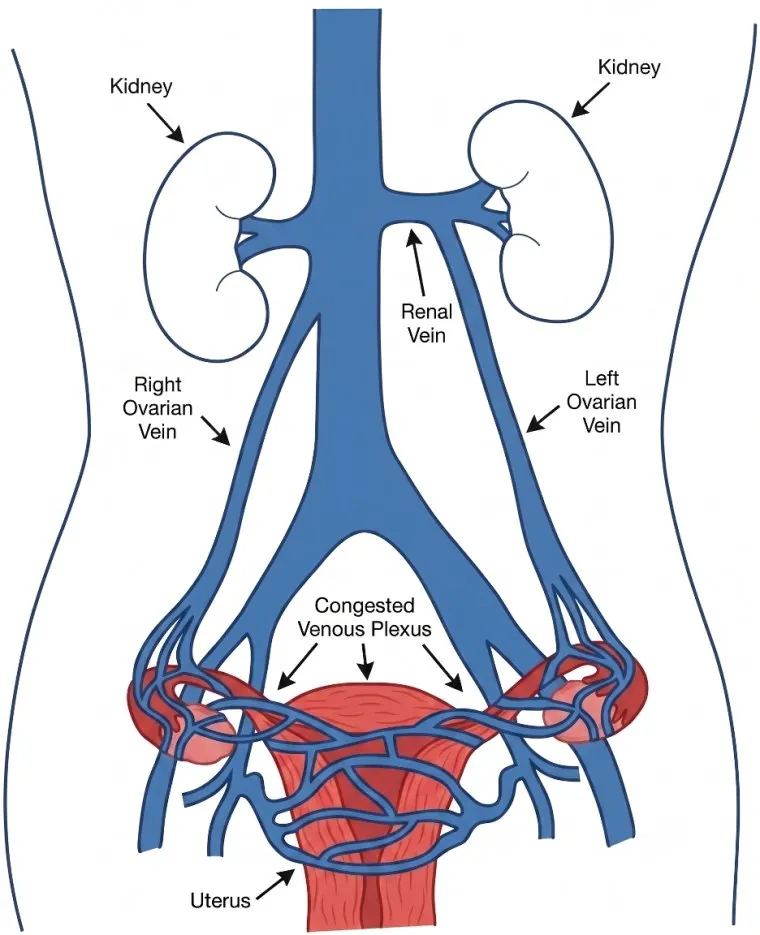
A common and underdiagnosed cause of chronic pelvic pain in women, and what can be done about it.
Read the articleProstate artery embolization is technically demanding, and outcomes improve with operator volume. Dr. Golowa has performed over 1,000 of these procedures.
Read the articlePatient Reviews
Verified reviews left by patients on Google.
The reviews are all true. One of the most amazing kind intelligent doctor I have come across.Verified Google review
Dr. Yosef Golowa is truly outstanding. From my first consultation through the procedure and follow-up, I felt informed, respected, and completely confident in his care. If you are considering a treatment he offers, I cannot recommend Dr. Golowa highly enough. He is an exceptional physician and an expert in his field.Verified Google review
I received the most personalized care from Dr Golowa that I’ve ever received from a doctor in my entire life. He was very attentive and seemed to genuinely care about me personally and my medical issue. During my procedure with Dr Golowa, he went the extra mile to ensure the procedure produced the desired results. Thank you Dr Golowa.Verified Google review
Excellent service from the office and especially with Dr. Golowa. Great bedside manner and really helped calm any anxiety I was experiencing. My nurse was also amazing and we had the best conversation while I was in the recovery room. My post procedure pain management was top tier and explained very well. Would definitely recommend to other people.Verified Google review
Reviews are reproduced from Google with each patient’s permission and are lightly trimmed for length only. Individual results vary; a review describes one patient’s experience and is not a prediction of your outcome.
Begin Care
Let us review your condition, explain the minimally invasive treatments available, and help you make a truly informed decision about your health.