Overview
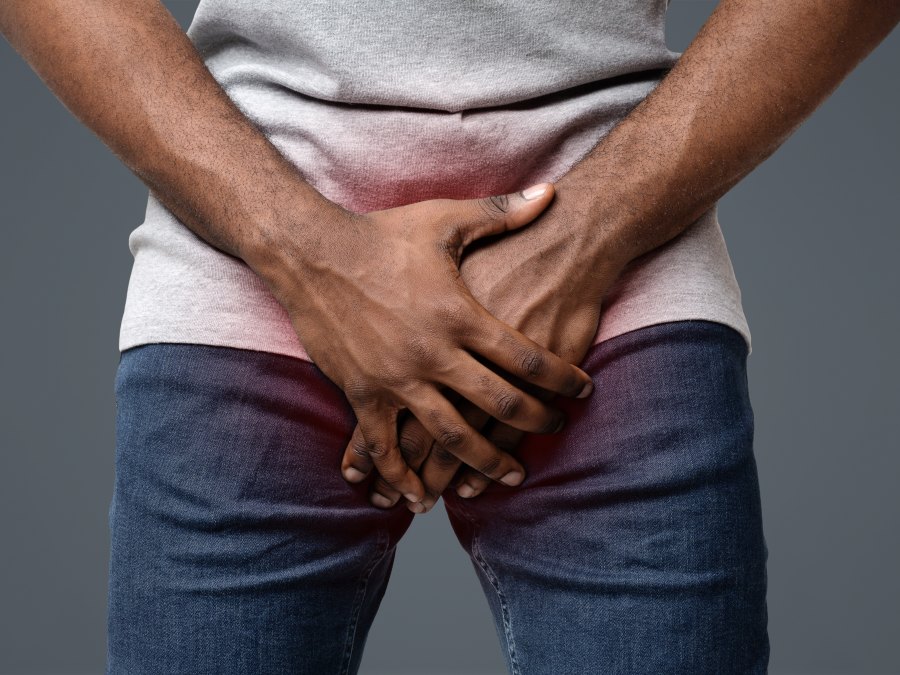
A varicocele is an enlargement of the veins inside the scrotum, very similar to a varicose vein in the leg. When the valves draining these veins fail, blood pools and creates pressure, which can cause chronic pain, testicular shrinkage, and male infertility.
Varicocele embolization is a minimally invasive procedure that closes off these faulty veins from the inside, restoring healthy blood flow.
It offers a less invasive approach than traditional open surgery (varicocelectomy), which requires an incision in the groin or scrotum to tie off the veins by hand and carries a risk of injuring adjacent structures. It is also a long-term solution for men who have been relying on daily pain medication or scrotal support.
Embolization achieves the same high success rates as surgery, but with no surgical incisions, no general anesthesia, and a faster return to normal activity.
Who it’s for
Most men considering this procedure come to the clinic for one of two reasons: a dull, aching pain in the scrotum that worsens through the day, or a diagnosis of male infertility and low sperm count. Often they have already tried conservative measures: over-the-counter pain relievers, supportive underwear, activity restriction, without lasting relief.
There is also a correlation between varicocele and both low testosterone and erectile dysfunction, and these may improve after repair.
A scrotal ultrasound is typically used to confirm the diagnosis. It will show enlarged veins, usually larger than 3 millimetres, and reversed blood flow known as reflux.
Who is not a candidate
If you have a small varicocele that causes no pain and is not affecting your fertility, treatment is generally not necessary. And if your scrotal swelling is caused by a hydrocele, a build-up of fluid around the testicle, or by an infection, embolization will not resolve it, and a different treatment will be recommended.
How the procedure works
1. Sedation
The procedure is typically done under sedation, so you are comfortable and sleepy throughout. It can also be done awake if you prefer, as it is not painful. Some patients bring headphones and listen to music or a podcast.
2. Accessing the vein
An interventional radiologist cleans and numbs a small area at the groin. A tiny tube called a catheter, about the width of a strand of spaghetti, is inserted through a small needle puncture in the skin into the vein.
3. Navigation and imaging
Using real-time X-ray guidance, the catheter is navigated through your blood vessels down to the faulty testicular vein. You will not feel this happening inside your body.
4. Blocking the flow
Once the catheter is in exactly the right position, tiny platinum coils are released, followed by a medical foam called a sclerosant. Together these permanently block the abnormal vein.
5. Rerouting blood flow
With the faulty vein blocked, blood immediately and naturally reroutes through surrounding healthy veins, relieving the pressure in the scrotum. The catheter is removed and a simple bandage is applied.
What to expect on the day
When you arrive, our team will get you comfortable and start an IV. You will be given “twilight” sedation, so you will be relaxed and sleepy but breathing on your own, with no breathing tube and no general anesthesia. If you would rather stay awake, that is an option; the procedure is not painful.
The procedure itself typically takes 45 to 60 minutes. Afterward you will rest in our recovery room for about an hour while the sedation wears off. Because there are no major incisions, you go home the same day.
Recovery
Recovery is brief. On day one, plan to rest at home. You may have mild soreness at the groin access site and occasionally a dull ache in your lower back or side. This is easily managed with ice and over-the-counter pain relievers such as ibuprofen or acetaminophen.
By the end of the first week most men feel back to normal. You can typically return to a desk job or light duties within one to two days. We ask that you avoid heavy lifting, strenuous exercise, and sexual activity for 7 to 10 days, so the vein heals properly.
What is normal, and when to call
Mild bruising at the entry site and a temporary ache are completely normal. Call our office if you experience severe or worsening pain, a fever above 101°F, or active bleeding or significant swelling at the access site.
Risks and considerations
Varicocele embolization is very safe, but there are small potential risks.
Common, minor side effects include bruising at the access site and mild back or flank pain, which usually settles within a few days.
Rare but more serious risks include infection, injury to the blood vessel, or migration of the coils to another part of the body. Because the procedure is performed by a highly trained interventional radiologist using real-time imaging, the risk of vessel injury or coil migration is extremely low, under 1%. If a complication does occur, it can usually be identified and managed during the same procedure.
Results and evidence
The clinical evidence supporting varicocele embolization is robust. Studies show a technical success rate of 90% to 95%, meaning the varicocele is successfully blocked and eliminated.
For men seeking pain relief, the large majority experience significant or complete resolution of symptoms.
For men treating infertility, embolization has been shown to significantly improve semen parameters (sperm count, motility, and morphology) in many patients, often leading to improved pregnancy rates.
The results are durable. Recurrence is low, typically under 10%, which is equivalent to traditional microsurgery but with a much faster recovery.
Common questions
- Is it painful?
- The procedure is well tolerated. We numb the entry site with local anesthesia and provide IV sedation to keep you relaxed. You will not feel the catheter moving inside your body. Afterward you may have mild back or groin aches for a few days, easily managed with over-the-counter pain medicine.
- Will insurance cover it?
- Yes. When varicocele embolization is performed for a medically necessary reason, such as chronic pain or diagnosed infertility, it is generally covered by Medicare and most major insurance carriers. We always recommend checking your exact benefits with your provider.
- How soon will I notice a difference?
- If you are treating pain, you will likely notice reduced swelling and relief within a few days to a couple of weeks. If you are having the procedure for fertility, it takes about three to six months to see measurable improvement on a semen analysis, since the body needs that time to produce new sperm.
- What happens if it doesn’t work?
- In the rare event, under 10% of cases, that the varicocele returns or symptoms persist, the embolization can usually be safely repeated to block any smaller veins that have opened up. Traditional surgical options also remain fully available to you.